
Planting Potatoes on St. Patrick’s Day
Exploring the Phenological Wisdom Behind a Garden Tradition
Happy belated St. Patrick’s Day! Yesterday, we planned to plant potatoes at the Arlington House Kitchen Garden, but Mother Nature had other ideas. Rain and cold kept us out of the garden, so potato planting will be delayed a few days.
Instead, I took advantage of the weather to do a little research into why it is tradition to plant potatoes on St. Patrick’s Day.
What I found was a two-part answer. First, it is agronomically appropriate to plant potatoes in early to mid-March in our climate. Second, the tradition is tied to Irish cultural memory and seasonal folklore. Because St. Patrick’s Day falls on March 17, it became an easy rule of thumb for when to plant.
This reminded me of other rules of thumb: plant tomatoes after Mother’s Day, corn should be knee-high by the Fourth of July, plant garlic on Halloween (to keep the vampires away!). I did not grow up with farmers or gardeners so over the years, I’ve been collecting these holiday-based cues to remember seasonal tasks.
Naturally, I went down the research rabbit hole to find out what other holidays are used as planting guides. In the process, I discovered something even more interesting: phenological markers – nature’s cues for planting and harvesting.
Farmers and gardeners have long used blooms, leaf emergence, bird migration, and other observable biological events in the life cycles of plants and animals as signals that it is time to perform certain tasks in the field or garden.
What was once common practice in our grandparents’ or great grandparents’ generation is quickly becoming a lost art. Phenological markers have become family folklore – sayings passed from one generation to the next, often without an understanding of what they mean and how to use them.
In doing this research, I learned that forsythia blooms are a visual cue that the soil temperatures are warm enough to plant potatoes, peas, spinach, and other cool-season crops. Lilac blooms, on the other hand, signal soil temperatures are warm enough for warm season crops like beans, cucumbers, and squash. Apple blossoms are cues to plant sweet corn.
Through perennial plants, shrubs, and trees, Mother Nature tells you when daylight, temperature, and moisture levels are right for planting various agricultural crops. Because these conditions vary year to year, these signals can be more dependable than a fixed calendar date. St. Patrick’s Day is a good rule of thumb to be on the look out for Mother Nature’s cues, but the blooms may be a few days earlier or later.
In an era of climate change, observation may become even more important. Nature’s cues respond to real-time conditions, while charts, tables, and planting calendars are often based on decades old averages.
But what if you do not know what to look for? What if you notice a bloom but don’t know how to interpret it? What if you don’t see forsythia because it is considered aggressive and discouraged in the landscape? What if you live in a concrete jungle where some of the plants and animals of family folklore simply do not exist?
In an urbanized landscape, what are the phenological markets?
In Virginia, a great native alternative to forsythia is Northern spicebush (Lindera benzoin). Not only does Spicebush offer yellow flowers that bloom in March and April, but it also grows red fruit throughout September and October that support birds and pollinators.
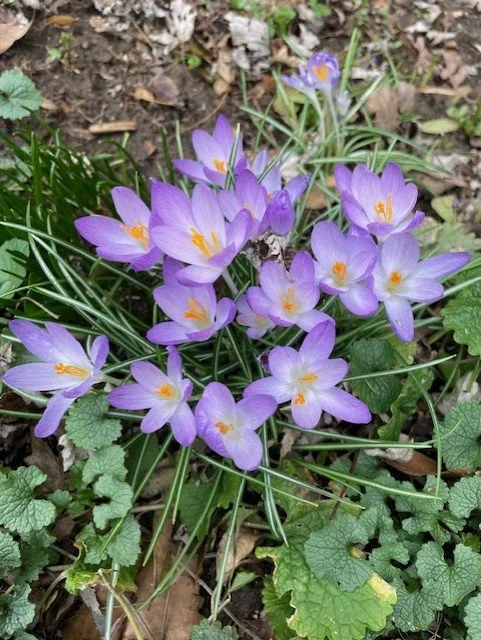
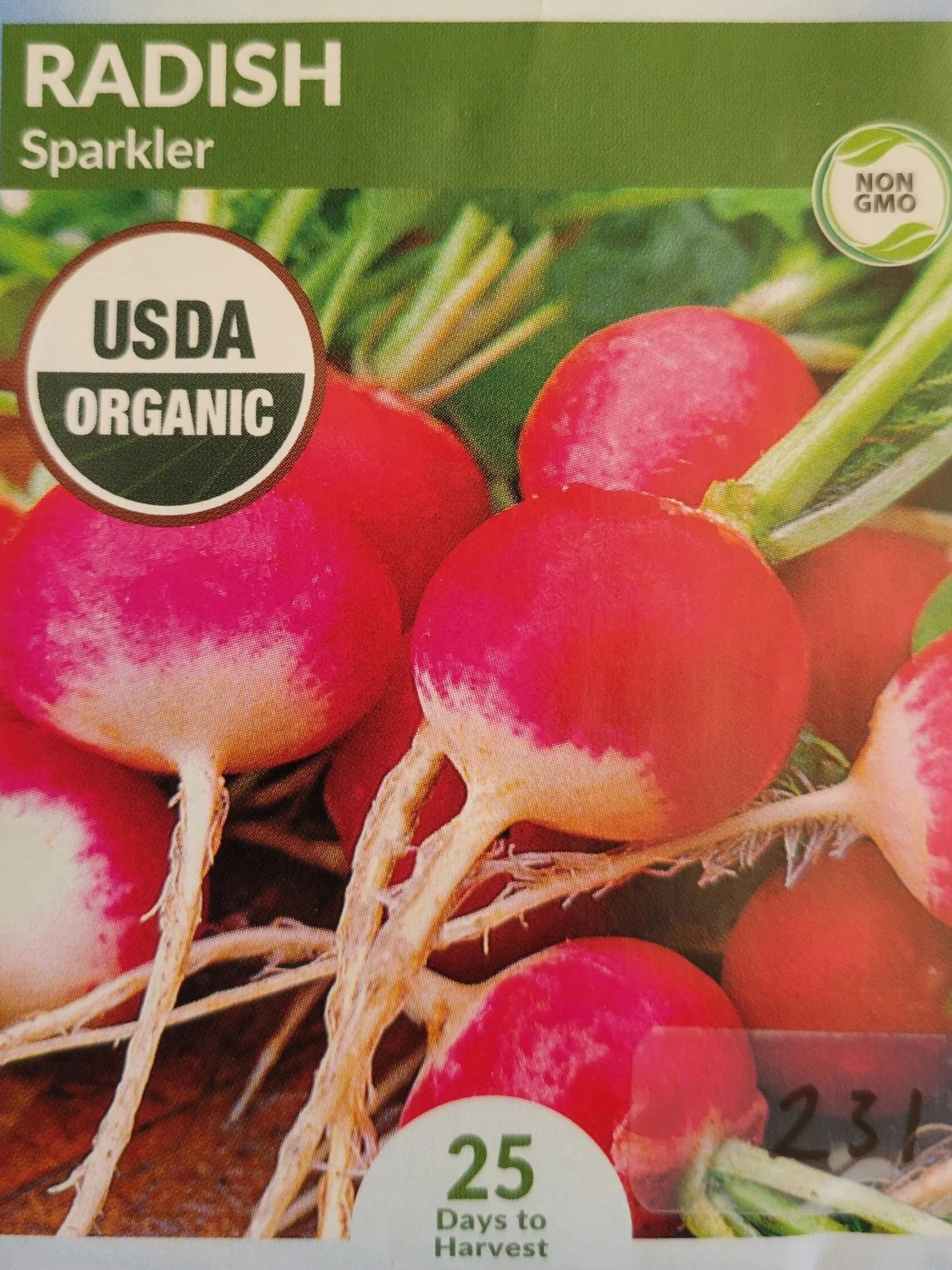
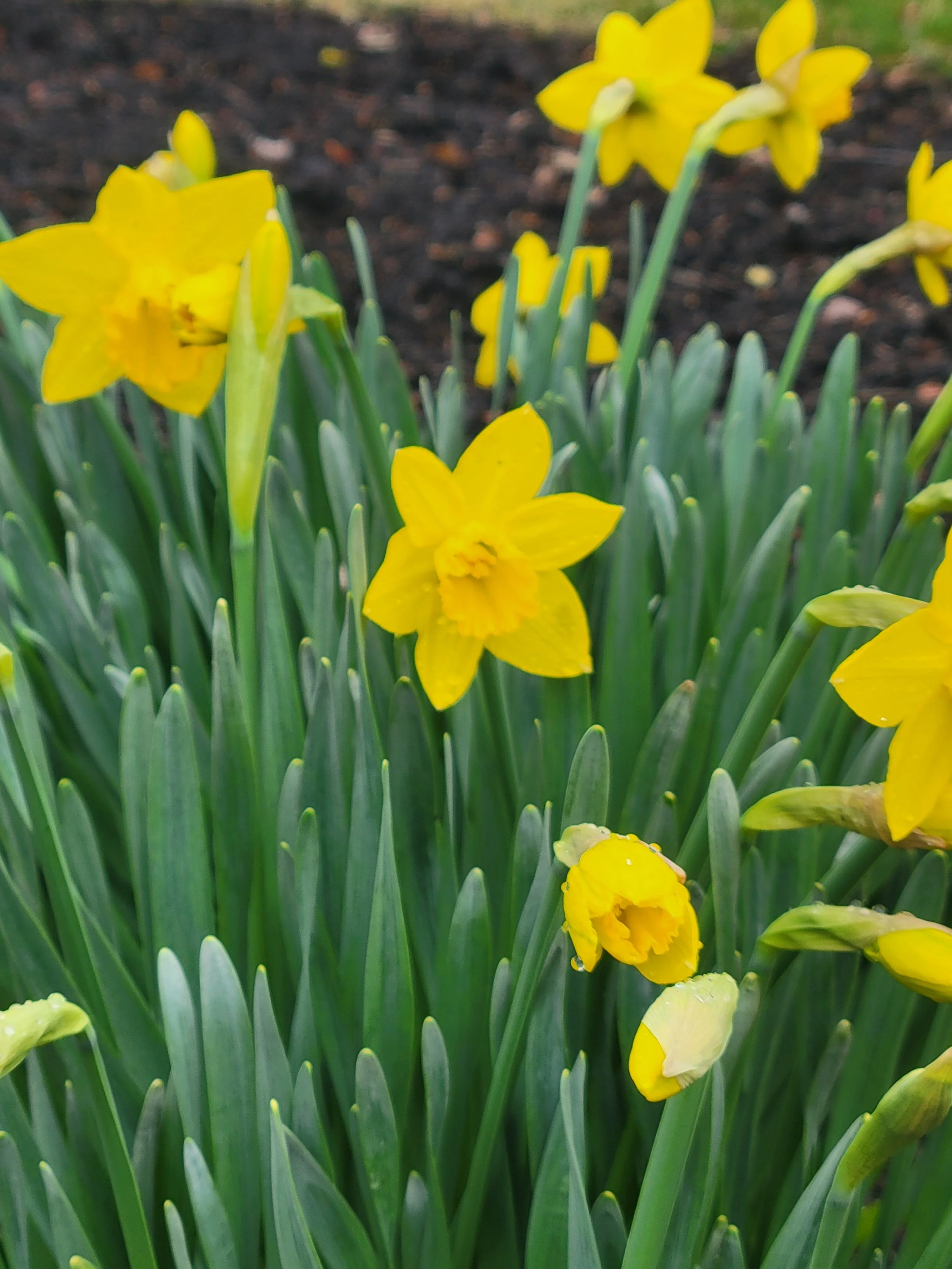
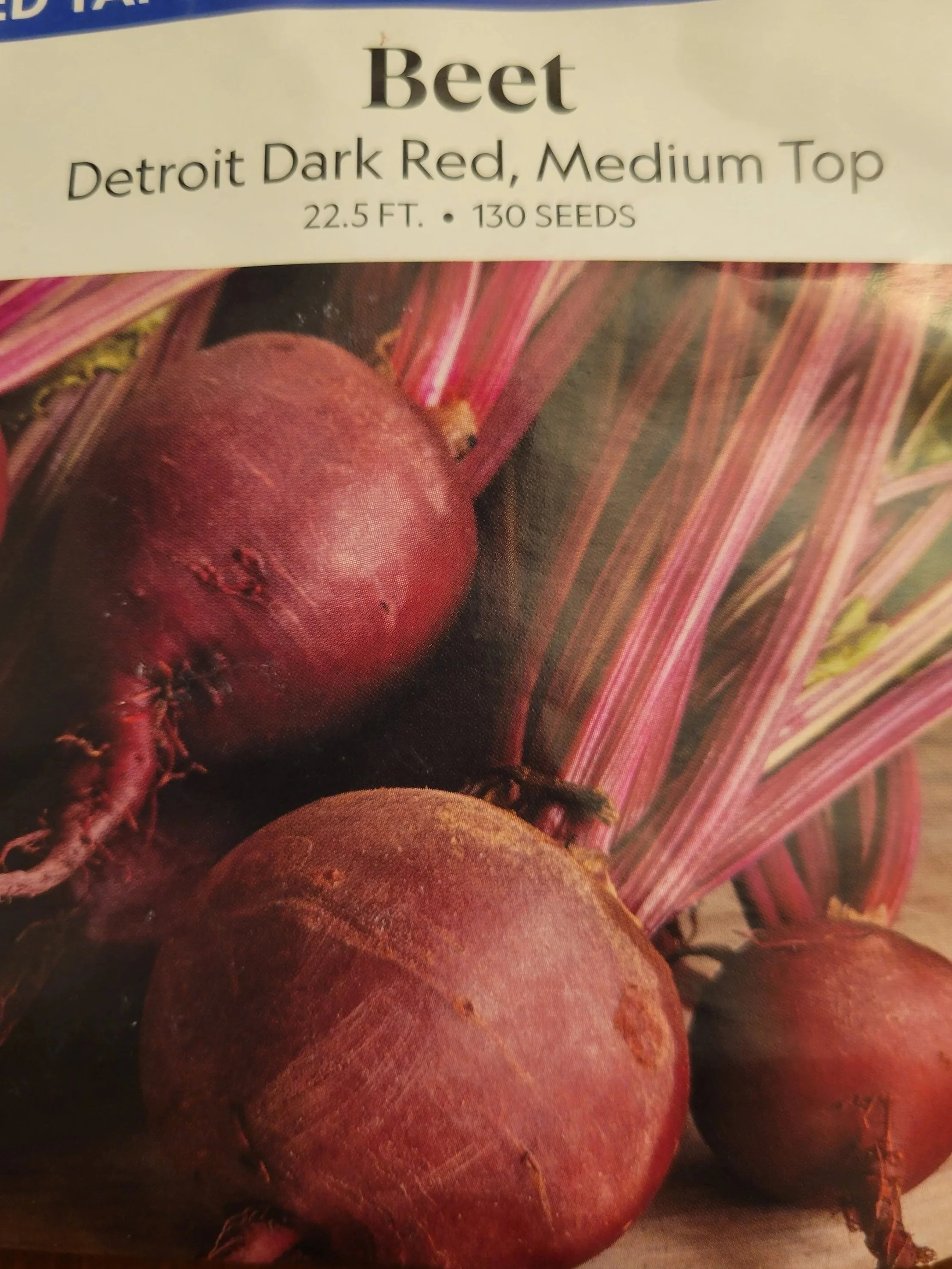
Even in urban landscapes, seasonal cues are everywhere. Yellow and purple crocuses signal spring and time to plant radishes and parsnips. Daffodils are cues to plant beets, carrots, and chard.
Nature is always speaking. Are you listening and do you speak the language? What plants, blooms, or seasonal changes tell you that it’s time to start planting?